
|
|
|
|
|

|
|
|
|
|
|





Words by Cory Ohlendorf | Photography courtesy
In the West, socks have become something of an afterthought. We buy them in bulk, rotate them endlessly and hang on far longer than we should. A stain? A thinning heel? A small hole that technically hasn’t breached skin? Fine. Socks live in the blind spot of modern menswear. In Japan, that would be unthinkable.
Here, socks are an indispensable part of sartorial culture—scrutinized, respected and, crucially, seen. Japan remains one of the few countries where removing your shoes in public is still routine: at homes, restaurants, temples and even certain retails shops. And when shoes come off, socks suddenly step into the spotlight. Trust me, you don’t want to be caught wearing bad ones.
That cultural reality helps explain why Japan, a country already synonymous with craftsmanship and reverence for tradition, has refined sock-making into something approaching an art form. Japanese socks stand apart for their comfort, durability and obsessive attention to detail—and they’ve been doing it like that for centuries.
Japan’s relationship with socks dates back to tabi, the split-toe socks traditionally worn with wooden sandals. As Western footwear gained popularity, sock production evolved, eventually concentrating in Nara Prefecture, which has been a hub of hosiery manufacturing for more than 100 years. Many of today’s most respected sock brands still operate there, blending traditional machinery with modern materials and design. From Koryocho to Yamatotakada City, the region's rich textile history infuses each pair of socks with heirloom-level quality and quality craftsmanship.
I was reminded of this while shopping for socks in Tokyo’s Aoyama neighborhood, where I struck up a conversation with a sales associate named Takumi. As he helped me choose a pair by Anonymous Ism, he explained—politely but firmly—that socks have always been “very important in Japan.”
“We’re one of the last countries in the world where you are expected to take off your shoes before entering a home,” he said. And while bare feet, he added, are generally acceptable among younger people, it’s still considered “a little rude.” Walking barefoot on tatami mats is especially frowned upon, since the natural oils from skin can damage the straw material.
After such a lesson in etiquette, history and material culture, it felt almost irresponsible not to buy more socks. I left with an additional ribbed pair from RoToTo—an old-school athletic style refined just enough to feel intentional rather than merely nostalgic. And once you slip into a pair, you’ll feel their distinctive commitment to quality and care in every subtle stitch.
That respect for socks may also explain why Japanese men can pull off bolder sock choices with such ease. Dark loafers with bright red socks. Heavily textured knits paired with athletic sneakers. Even socks with sandals, executed not as irony, but as confidence. When socks matter, they become a tool for expression rather than a generic undergarment.
Then there’s the sheer range of options. Japan offers an almost overwhelming selection for your feet, from minimalist staples at Muji and UNIQLO to specialist brands focused entirely on craft. Yahae, based in Nara, is one such brand. Its parent company dates back to 1921, and today it produces beautiful, rustic socks using a traditional materials and methods. A friend showed me a pair knit from indigo-dyed yarn spun using the unique Japanese spinning method known as “garabou”. The end result is a slightly nubby texture that looks and feels handmade, a pairs well with some Birkenstocks or other slip-ons. A pair will cost you about $26, but they’re built to last and feel amazing.

Tabio is perhaps the best-known name, offering high-quality, reasonably priced socks made with advanced techniques, including perfect-fit toe socks and modern tabi styles. For winter, they’ve made hybrid styles that combine a cushy cotton foot with a woolen ankle. As the company puts it: “From the ankle up, they use lofty merino wool in a soft waffle knit that gently hugs and insulates your leg’s most exposed spot.” Anonymous Ism leans more expressive, blending intricate patterns with workwear sensibility and serious materials. RoToTo, founded in 2014, and Nishiguchi Kutsushita, which has been around since the 1950s, both focus on comfort-driven design using natural fibers like merino wool and cotton, prioritizing durability and texture over trend.
What unites all of them is a shared belief that socks are worth caring about. No matter which brand or style you choose, these socks are dependable enough for working in yet breathable enough for everyday wear. And cushy enough to pad around the house in comfortably.
In a culture where shoes often come off and details are rarely overlooked, socks aren’t just functional, they’re a reflection of respect. For your home. For others. For yourself. And once you’ve experienced what a truly great pair of socks feels like, it’s hard to go back to treating them like disposable basics. Maybe the Japanese aren’t just making better socks. Maybe they’re reminding the rest of us that the smallest pieces of what we wear still matter.
|
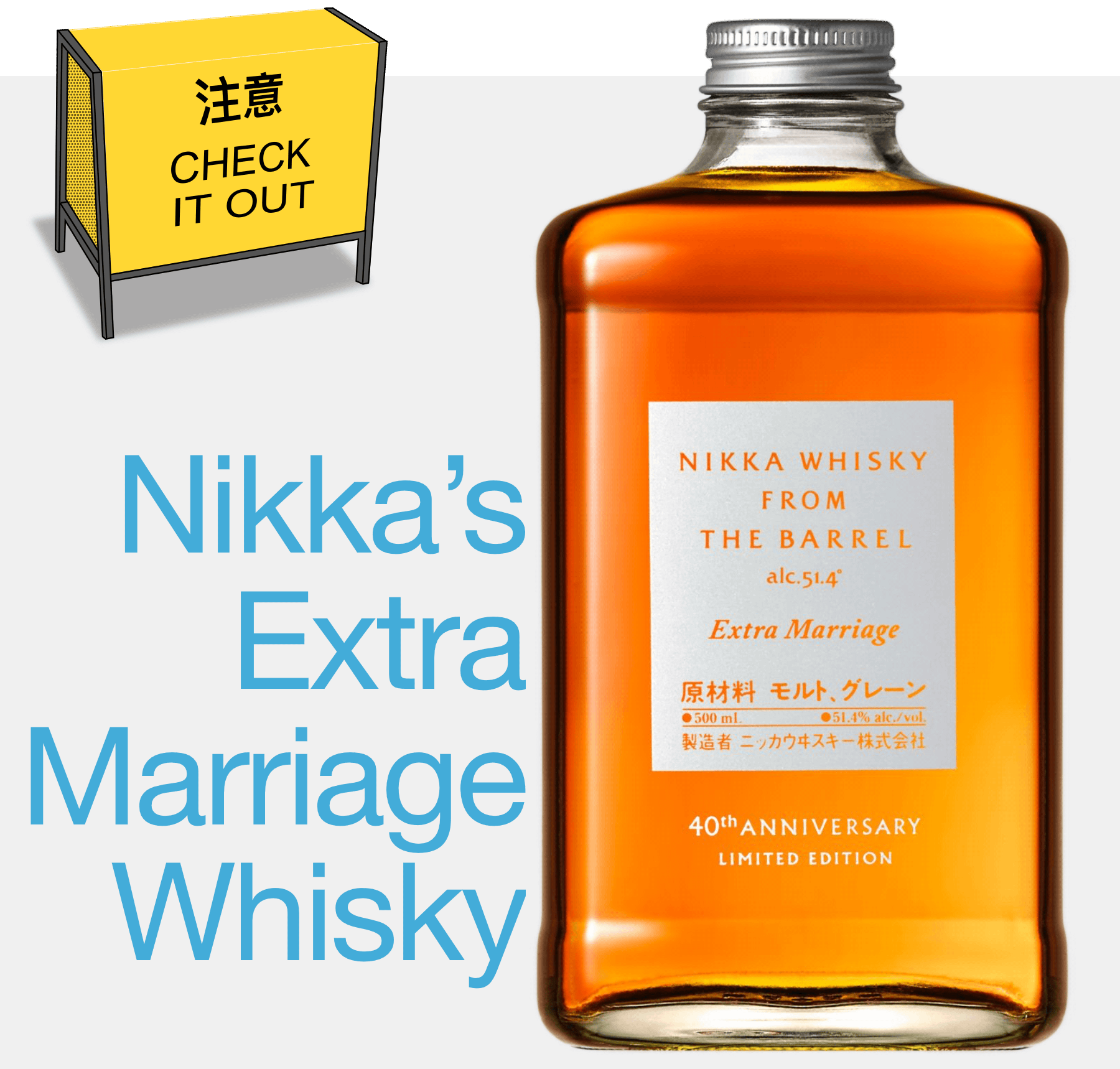
Nikka’s From The Barrel Extra Marriage is Japanese whisky with a nerd-level twist you actually want in your glass. Born to celebrate 40 years of the cult classic, this limited edition takes the original’s blend of ~100 malt and grain whiskies and lets them marry in oak for up to six months—twice the usual stint—so everything sings in deeper, richer harmony. Bottled at a gutsy 51.4% ABV, expect layers of chocolate, oak, vanilla, dried fruit and spice with a long, refined finish. Bottled in the handsome signature flask, it’s smart, punchy and an absolute steal for what it delivers.
|
Get It |
$119.99 at Total Wine |


Itterasshai (いってらっしゃい) is a Japanese farewell that can be directly translated as “go and come back.” But, it has more of a meaning of “see you later!” or “take care”. It’s said to someone leaving with the expectation they will return. It acknowledges their departure but it also expresses your well wishes and hope for them to come back safely. It is usually said in response to “Ittekimasu" (I'm leaving now) and fits neatly into Japanese expressions that value politeness and shared understanding. This pair of customs fosters bonds between people—you’re not only encouraged as you head out, but you know someone is waiting for you to come back safely.



Grab a Coffee (and Maybe a Plant)
Part indie coffee house, part plant store and flower shop and part open green space in Aoyama. The “Little Darling” coffee shop roasts their bean in-house and offers delicious pastries and after you’re caffeinated go next door and look for an intestine plant to take home.


See Some Art
Takashi Murakami brings his Japonisme exploration home to Tokyo, opening a Hiroo gallery show examining Hiroshige and ukiyo-e’s influence on Western abstraction after his 2025 run at Gagosian’s New York gallery.

Kaikai Kiki Gallery
2−3−30 Motoazabu Crest Building B1F
Minato-ku, Tokyo 106-0046

Play a Few Games
An easy haven for fans of indoor recreation, EST Shibuya is a playground of ping pong tables, billiards and bowling alleys. There are four floors reserved for bowling alleys alone, where if you’re hungry you can order a snack from the touch panels available at every lane. Games start at ¥750 plus ¥400 for shoe rental.




That’s all
for this week.
We’ll see you back here next Thursday.
|
Know someone that would like Bandana?

|